Spam calls in Maryland predominantly affect urban and suburban areas with high population densities. To combat this, residents can register for "Do Not Call" lists, use blocking apps, implement call screening, stay informed about scams, and be cautious of suspicious numbers. Modern smartphones offer built-in blocking features and reputable apps automatically filter known spammer numbers, effectively reducing unwanted calls in Maryland.
In Maryland, navigating through a sea of spam calls can feel overwhelming. This article delves into the hotspots where these unwanted calls are most prevalent, analyzing the patterns and trends that spammers exploit. By identifying high-risk areas, we empower folks with strategies to block these calls effectively. Learn how to take control of your communications and say goodbye to pesky spam in Maryland – discover valuable insights on How to Stop Spam Calls Maryland.
Analyzing Maryland's Spam Call Patterns

Analyzing Maryland’s spam call patterns offers valuable insights into how and where these unwanted calls proliferate. According to recent data, certain areas in Maryland have emerged as hotspots for spam callers, often targeting residential neighborhoods with high population densities. These hotspots are typically urban or suburban areas with a mix of older and newer homes, making them attractive targets for automated phone systems.
Understanding these patterns is the first step towards mitigating spam calls in Maryland. By identifying prevalent zip codes and areas, residents can take proactive measures like registering on national “Do Not Call” lists, using call-blocking apps, or even reaching out to local telecommunications providers for advanced filtering options. Learning how to stop spam calls Maryland style involves staying informed about these hotspots and taking collective action to reduce the nuisance of unsolicited phone marketing efforts.
High-Risk Areas: Where Spammers Strike

In Maryland, certain areas have emerged as hotspots for spam calls, with high-risk regions often characterized by dense populations and increased connectivity. Spammers target these areas due to the higher likelihood of making successful connections, as more people mean a greater potential audience for their deceptive practices. Suburban neighborhoods, especially those with older telephone infrastructure, are particularly vulnerable, as outdated systems may lack modern spam-blocking features.
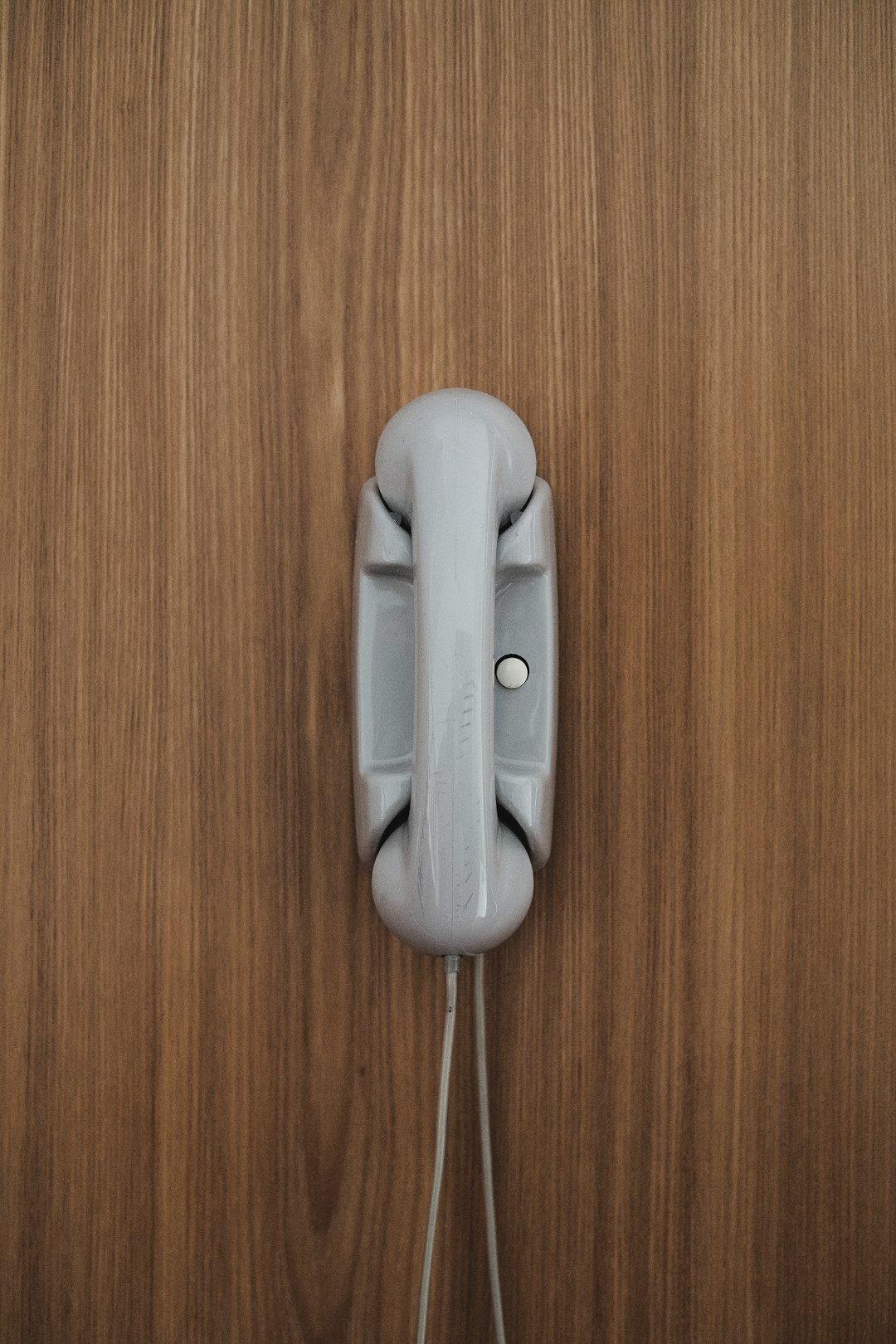
To combat this issue, Maryland residents can take proactive steps to protect themselves from spam calls. Implementing robust call screening and blocking measures on home phones is essential. Using caller ID services and registering on the National Do Not Call Registry is also effective in filtering out unwanted calls. Additionally, staying informed about common scamming tactics and being cautious of suspicious numbers can significantly reduce the risk of falling victim to spammer activities.
Strategies to Block Unwanted Calls Effectively

Unwanted phone calls can be a nuisance, but there are several effective strategies to block them and regain control of your communications. One of the most straightforward methods is to utilize the call blocking features built into modern smartphones. Most devices have settings that allow you to create blacklists or whitelist specific numbers, effectively preventing spam calls from reaching your line.
Additionally, downloading reputable call-blocking apps can offer enhanced protection by automatically detecting and filtering out known spammer numbers. These apps often use community-based reporting systems to stay updated on the latest scams, ensuring a more robust defense against Maryland’s spam call hotspots. Remember, staying proactive is key when it comes to How to Stop Spam Calls Maryland; these simple yet powerful tools can significantly reduce your exposure to unwanted communication.