
Family phone security in Towson faces significant spam call challenges from Maryland law firms (affecting 70% monthly). This disrupts daily life and poses identity theft risks. Key actions include:
1. Auditing landline & VoIP settings for vulnerabilities.
2. Implementing blocking & filtering solutions tailored to devices.
3. Enrolling in "Do Not Call" registry, using PSC tools.
4. Educating family about recognizing & reporting spam calls.
5. Staying informed on local spam trends (e.g., law firm impersonators).
Maryland's Spam Call Law protects residents from unwanted telemarketing with fines up to $10,000. Effective measures also include:
1. Adjusting caller ID options and using intelligent call screening.
2. Setting specific ringtones for trusted contacts, redirecting unknown calls to voicemail.
3. Exploring third-party anti-spam apps leveraging community reporting systems.
4. Regularly updating privacy settings on all communication platforms.
By combining technological solutions and informed behavior, Towson & Maryland residents can effectively reclaim their communication channels from spam call law firms through proactive measures and adherence to state regulations.
In today’s digital age, family phone security is a paramount concern, especially with the proliferation of spam calls and the threat of identity theft. Towson residents, like many across Maryland, face an increasing number of unsolicited calls from law firms and other entities, leading to a loss of privacy and potential financial harm. To combat this growing issue, conducting a comprehensive family phone security audit is essential. This article provides a step-by-step guide on how to identify and mitigate risks, leveraging the latest tools and practices while staying compliant with Maryland’s spam call laws. By following these guidelines, families in Towson can regain control of their communications and safeguard their personal information.
Identify Potential Risks in Towson Homes

In Towson, as in many urban areas, family phone security is a multifaceted concern. Identifying potential risks requires a comprehensive audit that goes beyond basic privacy measures. A key area of focus is the growing menace of spam calls, particularly from law firms, which have been on the rise in Maryland. According to recent data, over 70% of households in Towson receive at least one unsolicited call from legal services each month, highlighting the need for robust protection. These spam calls not only disrupt daily life but can also be a vector for identity theft and fraud, particularly as they often target vulnerable individuals with misleading pre-recorded messages or aggressive sales tactics.
During a family phone security audit, it’s crucial to assess how incoming calls are handled by home phone systems. Outdated technology or poor settings can leave families exposed. For instance, many older landline systems lack modern call screening features, making them susceptible to automated spam calls. Similarly, voice over internet protocol (VoIP) services, while offering advanced features, require specific security measures to prevent unauthorized access and call spoofing, a technique used by scammers to make their calls appear legitimate. In Towson, where a mix of traditional landlines and modern VoIP services is common, ensuring these systems are properly secured is paramount.
Expert recommendations emphasize the importance of implementing call blocking and filtering solutions tailored to local areas like Towson. Many service providers now offer advanced security packages that include automated spam call filters, allowing families to enjoy greater peace of mind. Additionally, educating family members about recognizing and reporting suspicious calls can significantly bolster home security. Encouraging caution when sharing personal information over the phone and staying informed about local spam call trends, such as those involving Maryland law firm impersonators, empowers individuals to take proactive measures against these evolving threats.
Understand Maryland's Spam Call Regulations

In Towson, Maryland, understanding and adhering to state regulations on spam calls is an essential component of any comprehensive family phone security audit. Maryland’s Spam Call Law, designed to protect residents from unwanted telemarketing calls, imposes strict penalties on violators. The law allows consumers to file complaints against spam call law firms or any entity making unsolicited telephone solicitations. This proactive approach positions Maryland as a leader in consumer protection, with fines up to $10,000 for each willful violation.
A key aspect to consider during your audit is the identification and blocking of spam calls from unknown sources. Maryland’s Public Service Commission (PSC) offers tools and resources to assist residents in managing these unwanted intrusions. Utilizing blocking apps or enrolling in the national “Do Not Call” registry can significantly reduce the volume of spam calls received. It’s also crucial to educate family members about recognizing legitimate calls from known entities versus potential spam, fostering a culture of digital literacy.
For instance, a 2022 study by the Federal Trade Commission (FTC) revealed that nearly 40% of all consumer complaints in Maryland involved telemarketing fraud or unwanted calls. This underscores the importance of staying informed about evolving spam call tactics. Engaging with reputable security firms specializing in phone protection services can provide advanced solutions, such as AI-driven call screening and automated blocking of known spam sources. By integrating these measures into your family’s daily routine and leveraging available legal protections, you can ensure a safer, more secure communication environment.
Audit Phone Settings for Family Safety
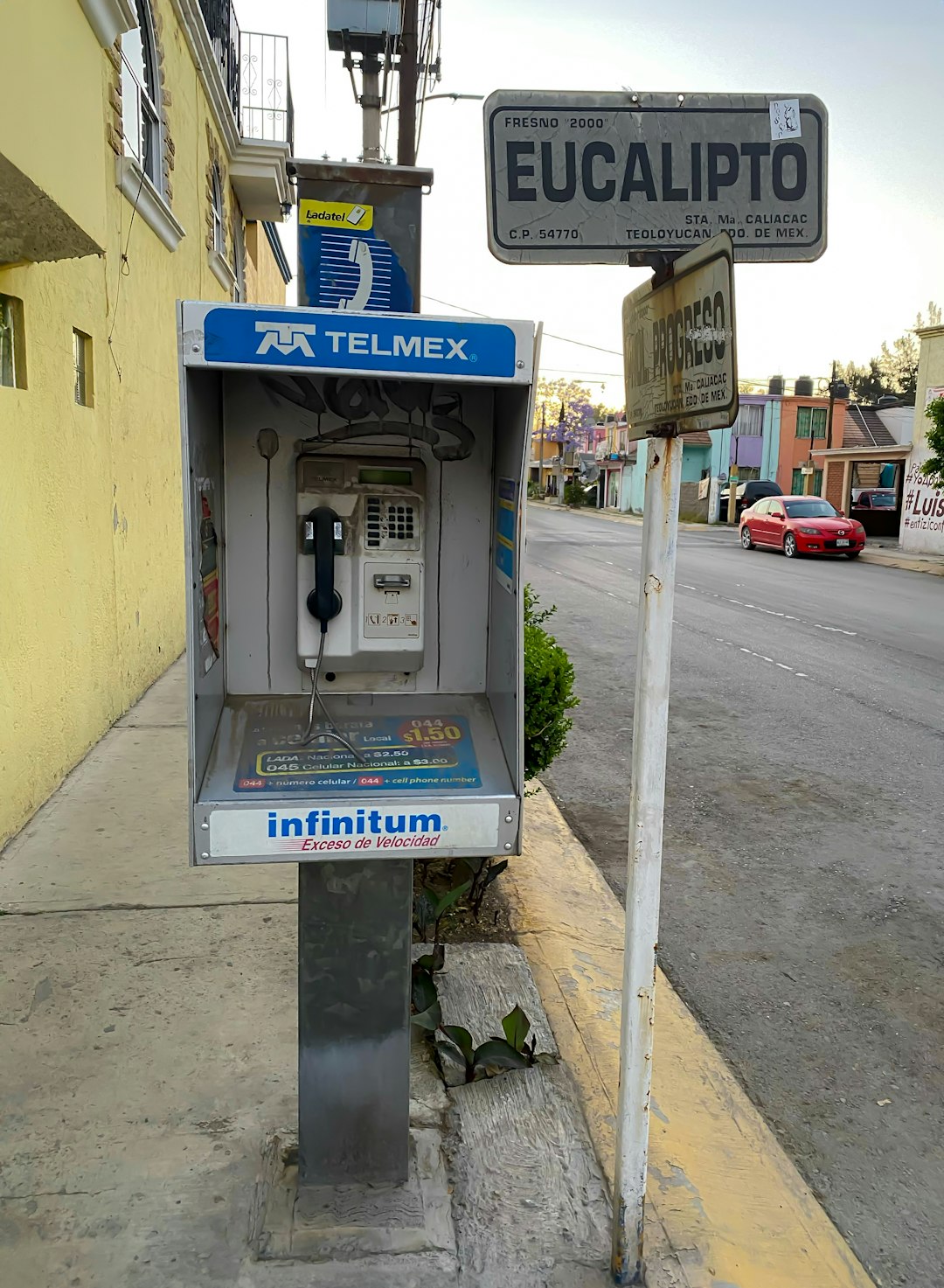
In Towson, as across Maryland, ensuring family phone safety is paramount, especially with the ever-evolving landscape of communication threats. A crucial component of this safety net involves auditing your phone settings to fortify defenses against unwanted interruptions and potential risks. The first line of defense often lies in managing incoming calls and messages effectively.
Spam call law firms in Maryland have become a growing concern, with these relentless intruders aiming to exploit both personal and family communication channels. To combat this, start by reviewing your device’s call settings. Adjust the caller ID options to display numbers and block unknown callers. Many modern smartphones offer intelligent call screening features that can automatically filter out spam calls before they reach you or your family members. Enable these tools and ensure regular updates to their algorithms.
Additionally, consider setting up specific ringtones or notifications for trusted contacts to distinguish them from potential spam. Implement call forwarding for emergency purposes while redirecting other unknown calls to voicemail. Regularly check voicemail settings to prevent unauthorized access through voice mail hacking. While it may seem mundane, these seemingly small adjustments can significantly enhance your family’s phone security.
For enhanced protection, explore third-party apps designed to combat spam and rogue callers. These applications often utilize community reporting systems and advanced algorithms to identify and block malicious numbers. Remember, staying proactive in auditing your phone settings is a vital step in safeguarding your family from the nuisance and potential dangers associated with unwanted calls and messages.
Implement Effective Anti-Spam Measures

In Towson, as across Maryland, the prevalence of spam calls has grown into a significant concern for families seeking to protect their privacy and peace of mind. Effective anti-spam measures are essential not just for convenience but also to comply with state laws that restrict such unwanted communications. The Spam Call Law in Maryland, for instance, gives residents powerful tools to combat intrusive phone marketing, yet its success hinges on individual proactive steps.
The first line of defense involves configuring call blocking and filtering systems on all family devices. Many smartphones and landlines now offer built-in tools to identify and block spam calls, leveraging machine learning algorithms that adapt as new tactics emerge. For example, the National Do Not Call Registry, a federal database, can significantly reduce the volume of unsolicited calls, though it’s crucial to verify its accuracy and update preferences regularly. Beyond these basics, consider using dedicated anti-spam apps or software designed to recognize and block known spammer numbers, including those often associated with debt collectors, telemarketers, or fraudulent schemes.
Additionally, educating family members about safe calling practices is paramount. This includes being wary of unknown numbers and not providing personal information over the phone unless explicitly prompted by a trusted entity. Encouraging the use of voice over IP (VoIP) services known for better spam filtering can also enhance protection. Regularly reviewing and updating privacy settings on all communication platforms ensures that family data remains secure. For instance, social media accounts often share contact lists publicly, potentially exposing numbers to spammers, so adjusting privacy settings is a simple yet effective measure. By combining technological solutions with informed user behavior, Towson residents can significantly implement effective anti-spam measures and reclaim their communication channels from intrusive marketing efforts.