
Spam calls are a prevalent issue in Maryland, with Towson residents receiving an average of 15 per month. To stop spam calls Maryland-style, residents can take several steps:
1. National Do Not Call Registry: Enroll to restrict telemarketers from calling listed numbers.
2. Call-Blocking Apps: Use apps like TruthFinder or NoCall, tailored to local area codes, for reduced spam.
3. Community Action: Organize movie nights focused on cybersecurity and spam call handling techniques, inviting experts for workshops.
4. Technology: Utilize apps like TrueCall and Hiya, register on FTC "Do Not Call" lists, update device privacy settings, and leverage state-specific initiatives.
Spam calls are a persistent nuisance, disrupting the peace and privacy of Towson residents. With countless unwanted robocalls flooding Maryland phone lines daily, it’s crucial to equip locals with effective strategies to combat this issue. This article offers an insightful guide on how Towson residents can take control and organize informative ‘Spam Call Awareness’ movie nights—a unique approach to educate neighbors about the growing problem of spam calls and foster community engagement in finding solutions, specifically tailored to Maryland’s context. Discover practical steps to empower your community and silence those persistent ringers.
Understanding Spam Calls in Maryland: Causes & Impact

Spam calls are a prevalent and irritating issue for many Towson residents, impacting their daily lives and overall well-being. Understanding the causes and impact of these unwanted calls is the first step towards effective countermeasures. In Maryland, spam calls often stem from automated dialing systems used by telemarketers, scammers, and debt collectors, who target residential and mobile numbers en masse. According to recent data, Maryland residents receive an average of 15 spam calls per month, ranking among the highest in the nation.
The impact of these calls is significant. They not only disrupt peace of mind but can also be a source of stress and anxiety for recipients. Many victims report feeling violated and unsure how to stop spam calls Maryland naturally. Moreover, some callers employ aggressive tactics, making it even more challenging for residents to protect themselves. For instance, scammers often pose as government officials or financial institutions, creating a sense of urgency that pushes people into making hasty decisions.
To combat this growing problem, Towson residents can take proactive measures. One effective strategy is to enroll in the National Do Not Call Registry. This federal list restricts telemarketers from calling numbers listed on it for marketing purposes. Additionally, using call-blocking apps and devices designed to identify and filter out spam calls can significantly reduce their volume. For instance, applications like TruthFinder or NoCall offer advanced call-filtering features tailored to local Maryland area codes. By combining these techniques, residents can create a safer, less intrusive communication environment while also teaching spammers that unwanted calls will not be tolerated.
Organizing Community Movie Nights for Awareness
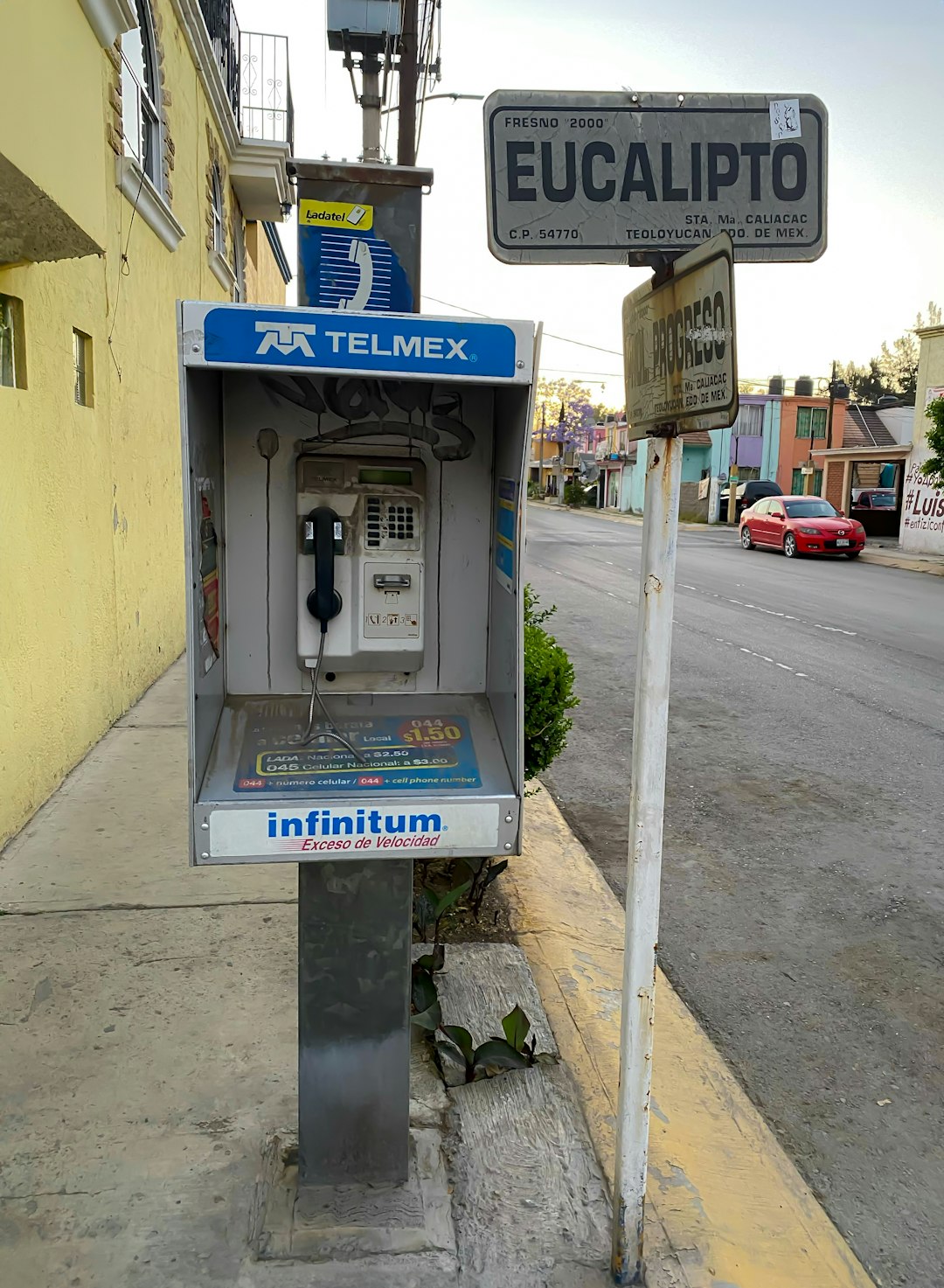
In the fight against intrusive spam calls, community action can be a powerful tool. Towson residents have an opportunity to unite and tackle this modern nuisance through organized movie nights focused on raising awareness. These events not only serve as educational platforms but also foster a sense of community engagement, empowering locals with knowledge on how to stop spam calls Maryland-style.
Hosting a spam call awareness movie night is a strategic move to engage the community directly. By choosing films or documentaries that delve into the world of telemarketing and its impact, residents can gain valuable insights into the techniques employed by spammers. For instance, movies like “The Social Network” offer a glimpse into how data-driven marketing strategies have evolved, providing a foundation for discussions on privacy and consumer protection. Following these screenings, community members can participate in interactive workshops or panel discussions to share practical tips on blocking spam calls and protecting their personal information.
Practicality is key when organizing such events. Towson residents should aim to collaborate with local businesses, community centers, or schools to find suitable venues. Utilizing social media platforms for promotion ensures wide reach and encourages participation from diverse age groups. For a successful event, providing light refreshments and ensuring comfortable seating can enhance the overall experience. Moreover, inviting local law enforcement or consumer protection agencies as guest speakers adds credibility and offers valuable expertise on relevant laws and regulations, such as those in Maryland that regulate telemarketing practices.
By regularly hosting these movie nights, Towson residents can create a sustainable awareness campaign. Such initiatives not only educate but also serve as a collective action strategy against spam calls, fostering a safer and more informed community. This collaborative approach has the potential to inspire similar movements across Maryland, creating a state-wide network of proactive citizens ready to combat intrusive telemarketing practices.
Effective Strategies to Stop Spam Calls at Home

Towson residents can take proactive steps to organize movie nights focused on raising awareness about spam calls, providing an engaging platform for education and community engagement. Effective strategies to stop spam calls at home involve a multi-faceted approach combining technology, vigilance, and collective action. One powerful method is to utilize apps designed specifically to block unwanted calls, many of which offer advanced features like identifying and filtering out known spammer numbers. For instance, tools like “TrueCall” or “Hiya” not only block calls but also provide detailed insights into call patterns, helping residents understand the tactics employed by spammers.
Another layer of defense involves registering on national “Do Not Call” registries, such as those maintained by the Federal Trade Commission (FTC). While these lists are not foolproof, they do serve as a first line of defense against telemarketing calls. In Maryland, residents can also take advantage of state-specific initiatives aimed at curbing spam calls, leveraging legal protections and consumer advocacy groups that offer tailored guidance on dealing with persistent unwanted calls. Regularly updating privacy settings on all devices is another crucial step; ensuring that personal information is not readily available online can significantly reduce the likelihood of being targeted by spammers.
Community-led efforts are equally vital. Organizing movie nights where documentaries or feature films explore themes related to cybersecurity and privacy can spark insightful discussions. Sharing practical tips and best practices during these gatherings empowers residents with knowledge on how to handle spam calls more effectively. Additionally, inviting local experts or law enforcement representatives can provide valuable insights into the legal aspects of dealing with spam and help attendees understand their rights and responsibilities in Maryland. Regularly updating community members on emerging trends and technologies used by spammers ensures that collective efforts remain relevant and effective.